

Model: Gibson Firebird III (non-reverse)
Color: Sunburst (refinished)
Year: 19681
For informational and non-commercial use only. Please do NOT publish this content elsewhere.
If you share or use this information, please provide proper credit and link to the website.
I appreciate your respect for the years of dedicated, freely available research! Thanks.
Used in...

- 1994-1997

- featured in the videos of Cigarettes & Alcohol, Whatever and Live Forever (US version)

- used during the recording sessions of the Some Might Say single

- used during the recording sessions of the (What's the Story) Morning Glory? album

- used during the recording sessions of the Be Here Now album

- backup live guitar during the later dates of the Definitely Maybe tour
Details

The first version of the Firebird, introduced in 1963, was a radical design change from Gibson: the reaction was lukewarm at best. These Firebirds are commonly referred to as 'reverse', because the lower horn is longer than the upper horn (contrarily to Fender offset models, for example).

In 1965 the guitar was redesigned, switching to a more traditional 'non-reverse' body shape and removing the neck-through-body feature, making it lighter, easier to build and less expensive.2

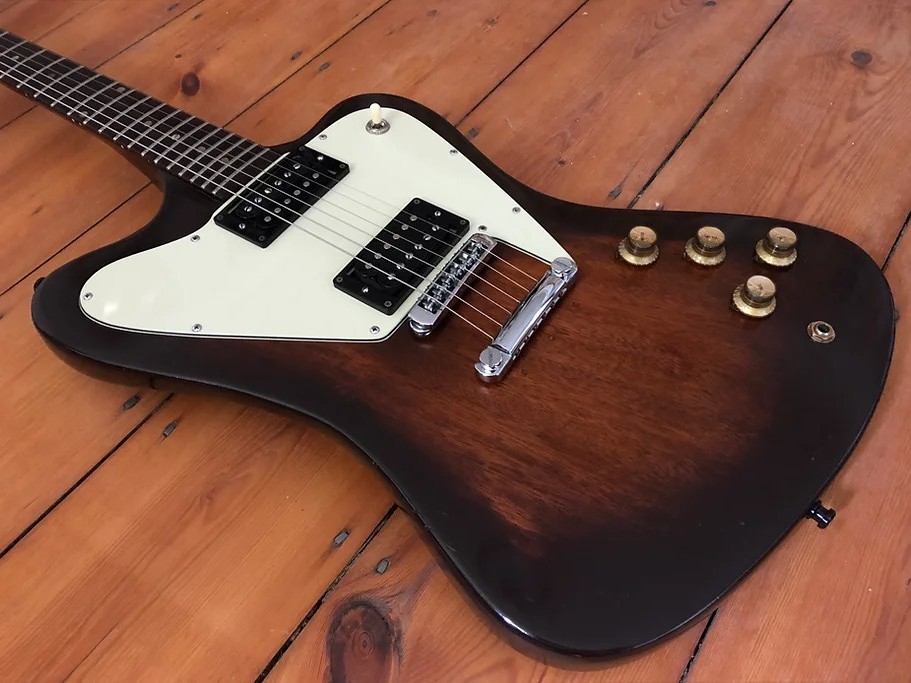
Noel's one is a later 'non-reverse' model, specifically a Firebird III - which originally featured three P90 pickups and and a short Vibrola tailpiece.

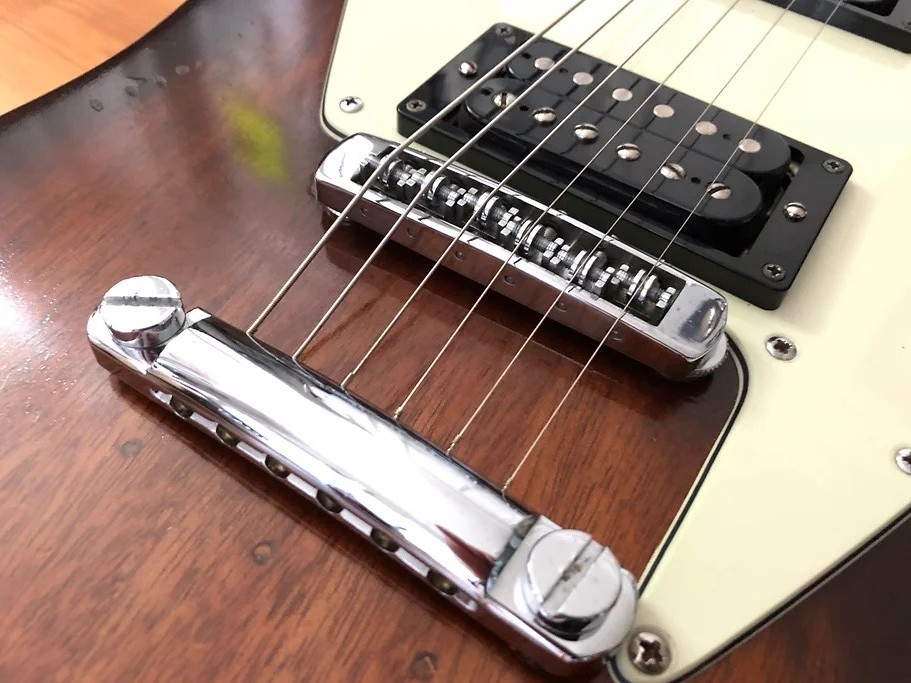
Sometime before Noel acquired it, the Vibrola tailpiece was replaced with a stopbar, a roller bridge was added and the whole guitar was resprayed - erasing the original serial number.3

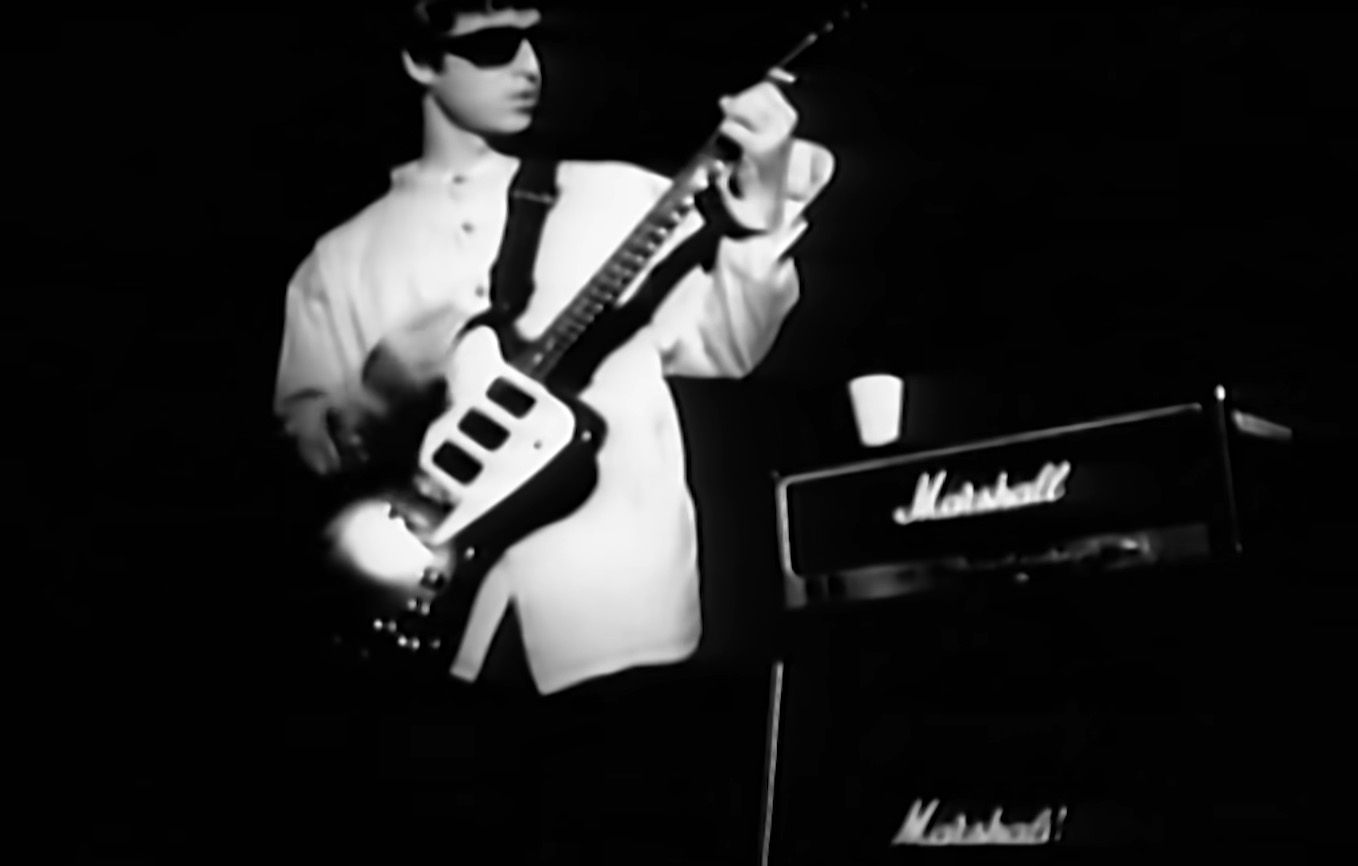
Noel probably acquired the guitar in Summer 1994: its mainstream debut was during the Top of the Pops performance of Rock 'n' Roll Star in September 1994, the band's third appearance on the show.
It had been previously played on 28 August 1994 at Lowlands Festival for Shakermaker - one of the very few confirmed live outings of the Firebird.4

Some say the guitar originally belonged to Paul Weller, but that's probably just a rumour: Noel would've told the story a thousand times if it were true!

The Firebird then featured in the video of Cigarettes & Alcohol, which had been previously filmed on 26 August 1994.

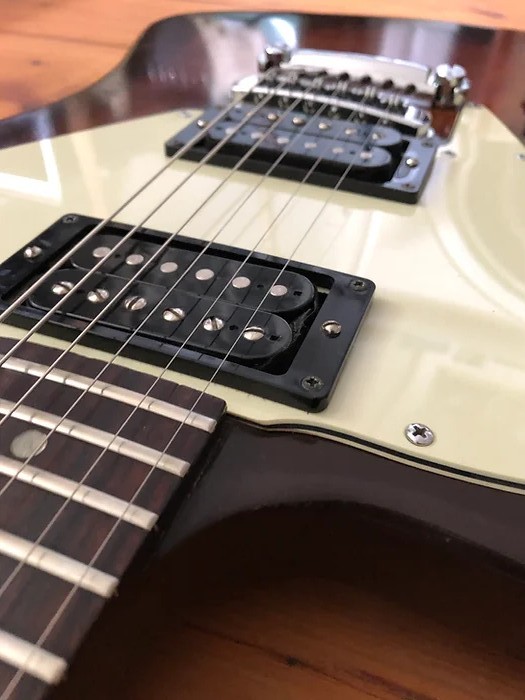
Sometime between September and December 1994, the guitar was modified again: the three P-90 pickups were replaced with two Seymour Duncan Pearly Gates humbuckers.
The first appearance of the modded guitar was the Whatever video shoot, on 5 December 1994.
Noel later regretted the pickup switch:5

"These Seymour Duncans were the loudest fu**in' things I'd ever heard. [...] I regret having put them in my Firebird, though - I shouldn't have fu**ed with the guitar, man."

The original P-90 pickups were not discarded: two of them were used to replace the original humbucker pickups of the ex Johnny Marr Les Paul Custom!

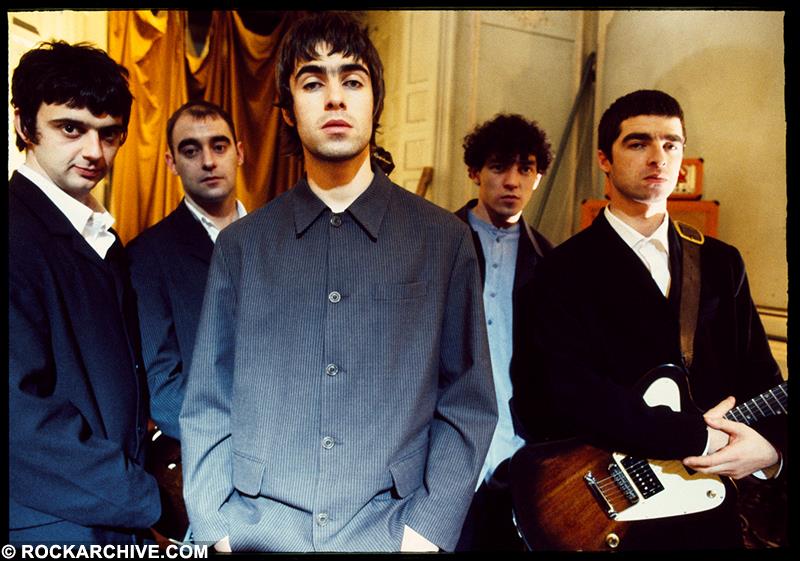
The next appearance of the Firebird was at the filming of the USA video of Live Forever, that took place at Portland Place in London on 5 January 1995. A couple of photos by Jill Furmanovsky are available.

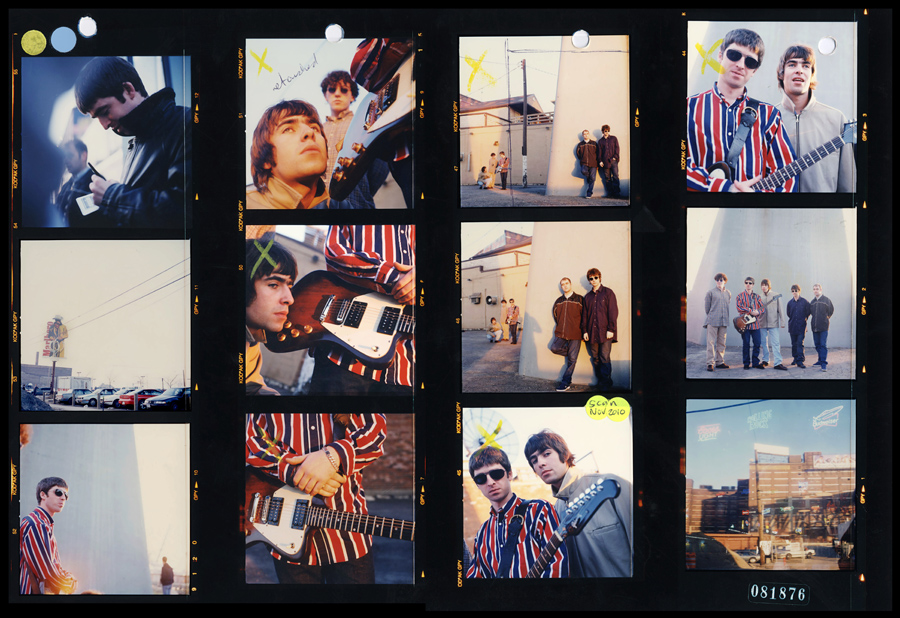
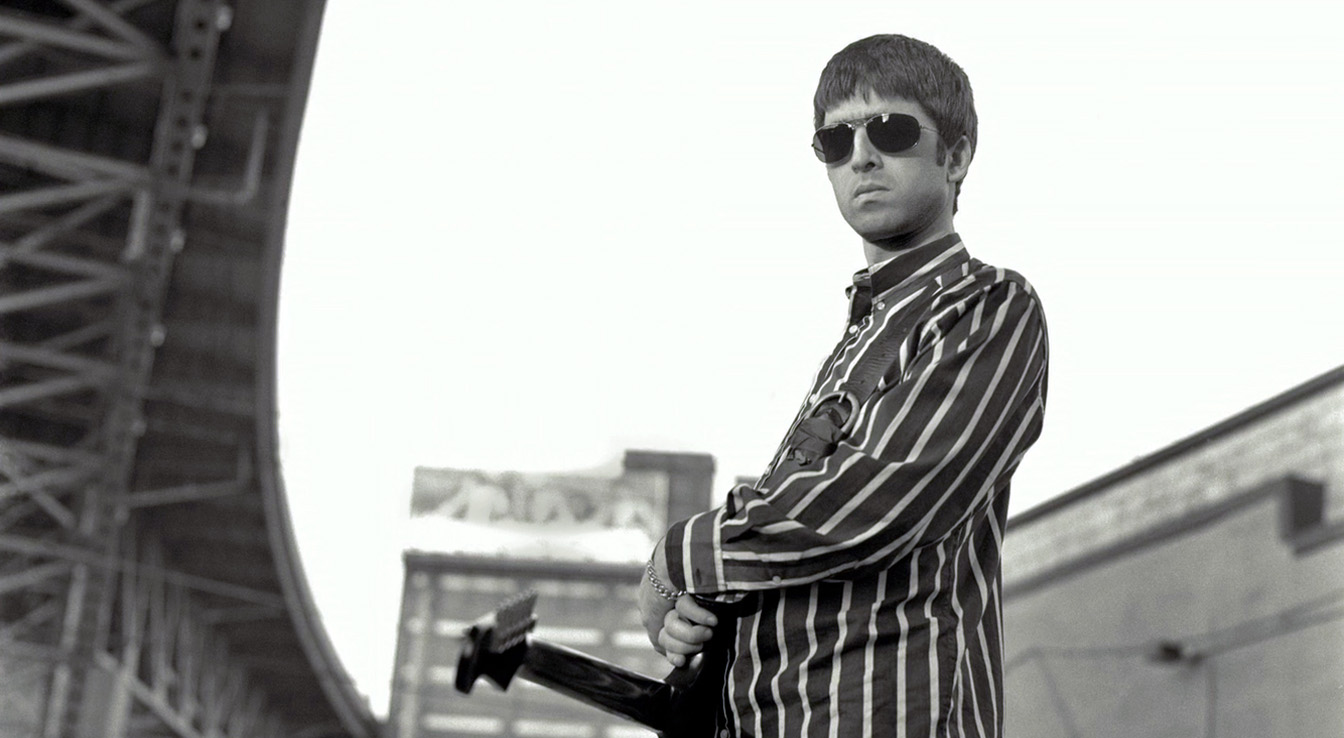
It was then brought to the US as backup live guitar in early 1995 and it featured in a photo shoot in Detroit - again by Jill Furmanovsky.

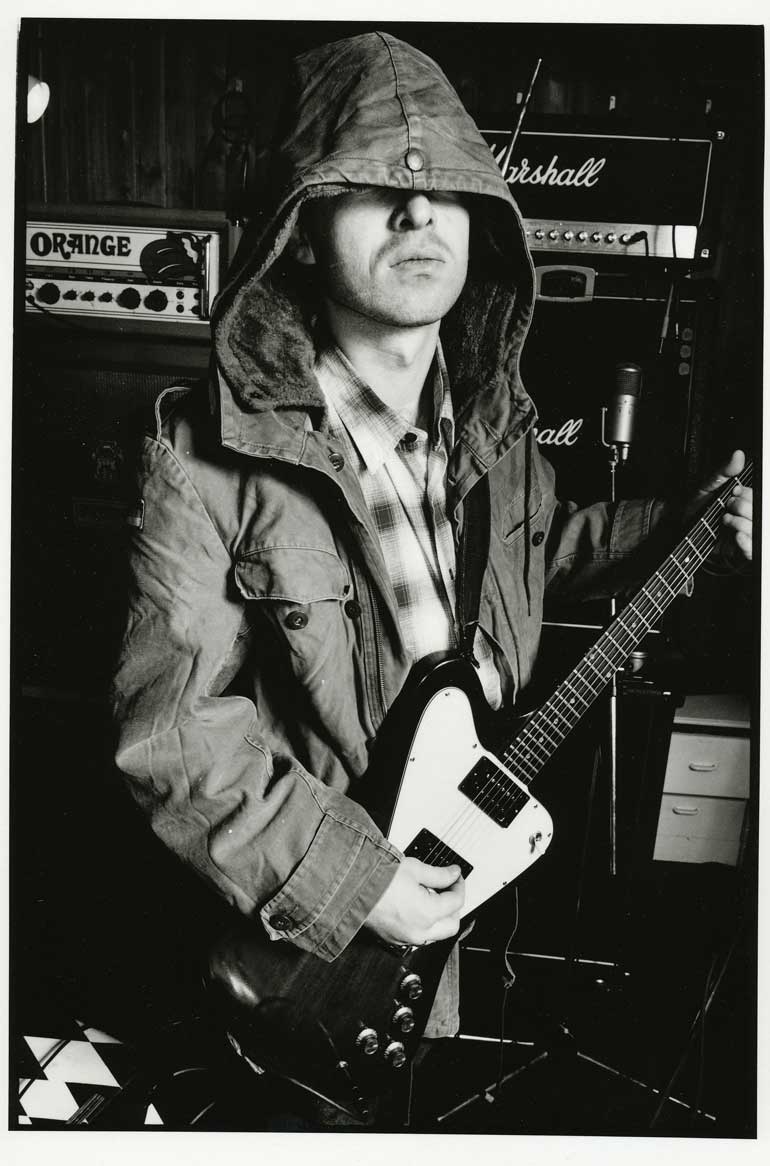
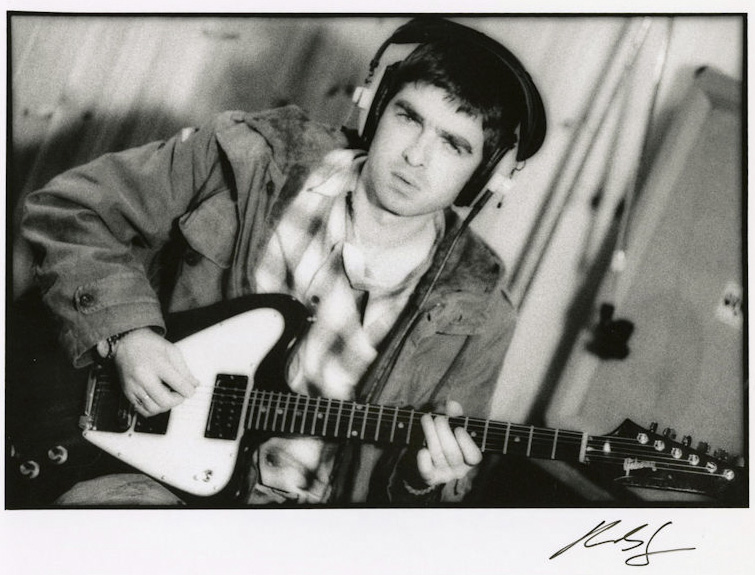
In late February 1995 the guitar was used to record Some Might Say at Loco Studios6 in Wales: the famous pictures of Noel playing it in a German army parka were taken by M. S. Jones and Tom Sheehan.

B-sides Acquiesce and Headshrinker were recorded during the same session,7 so it is quite likely that the Firebird was used on those tracks too. The Les Paul "conversion" and the goldtop Les Paul Standard were also used at Loco Studios.

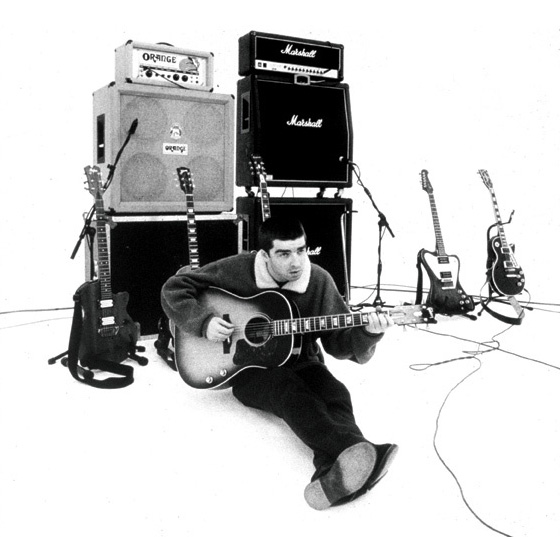
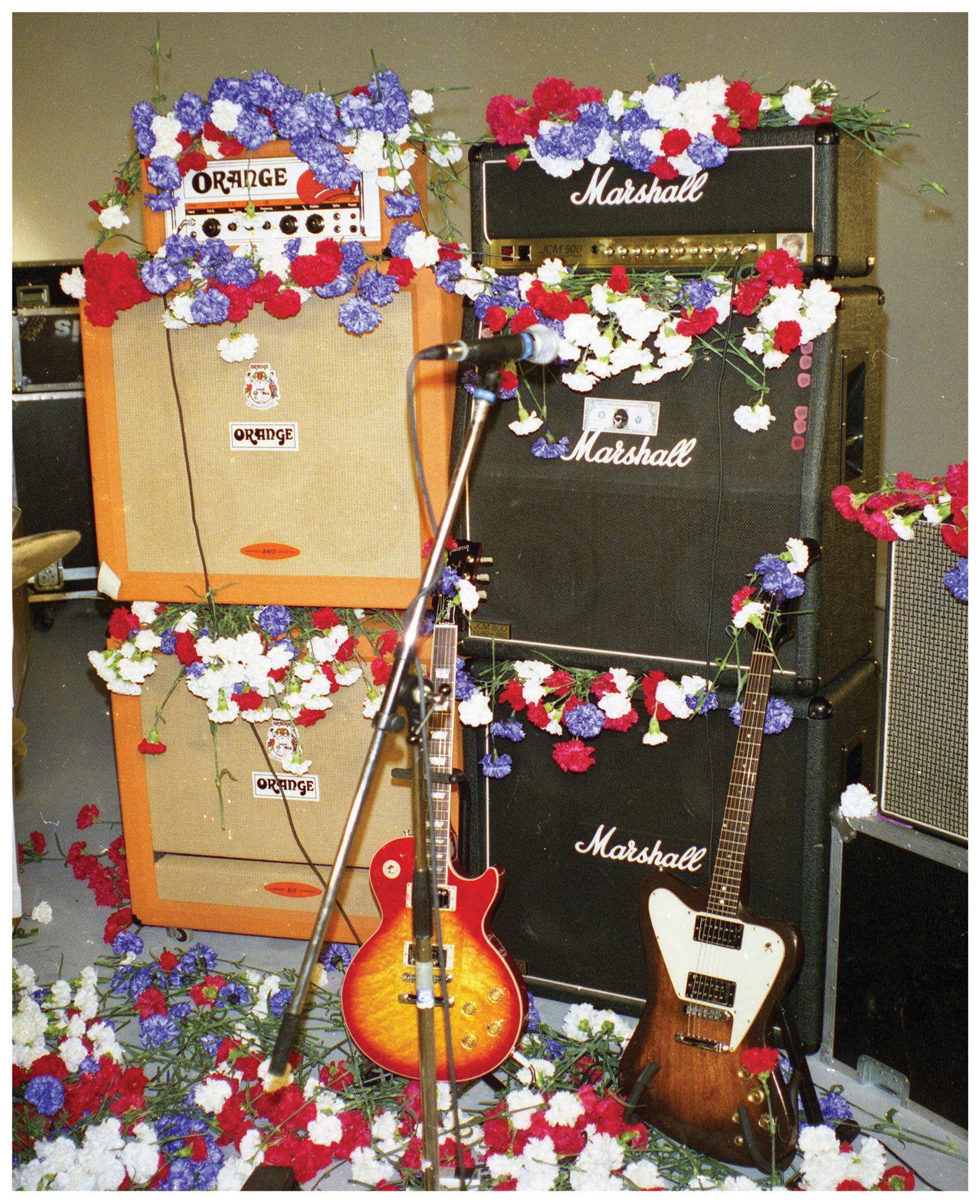
The Firebird later appearead in front of a Marshall stack in the sleeve photo of Don't Look Back in Anger, which was taken in London in mid October 1995.8

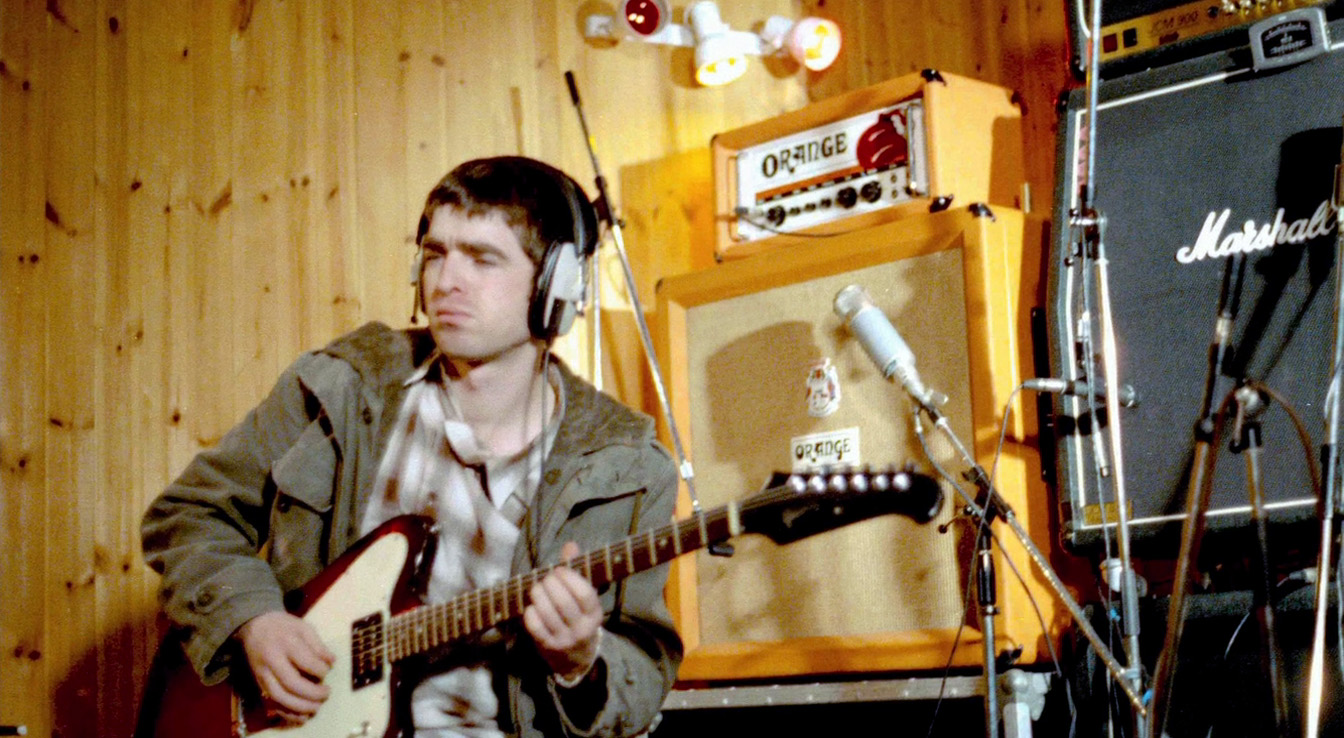
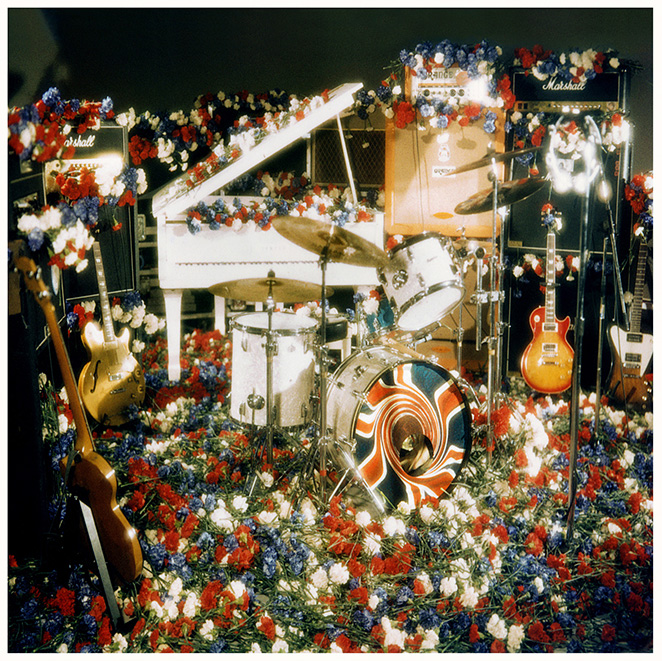
In May 1995 it was among the guitars that Noel brought with him at Rockfield Studios to record tracks for the (What's The Story) Morning Glory album: he states that he used it in title track Morning Glory.9

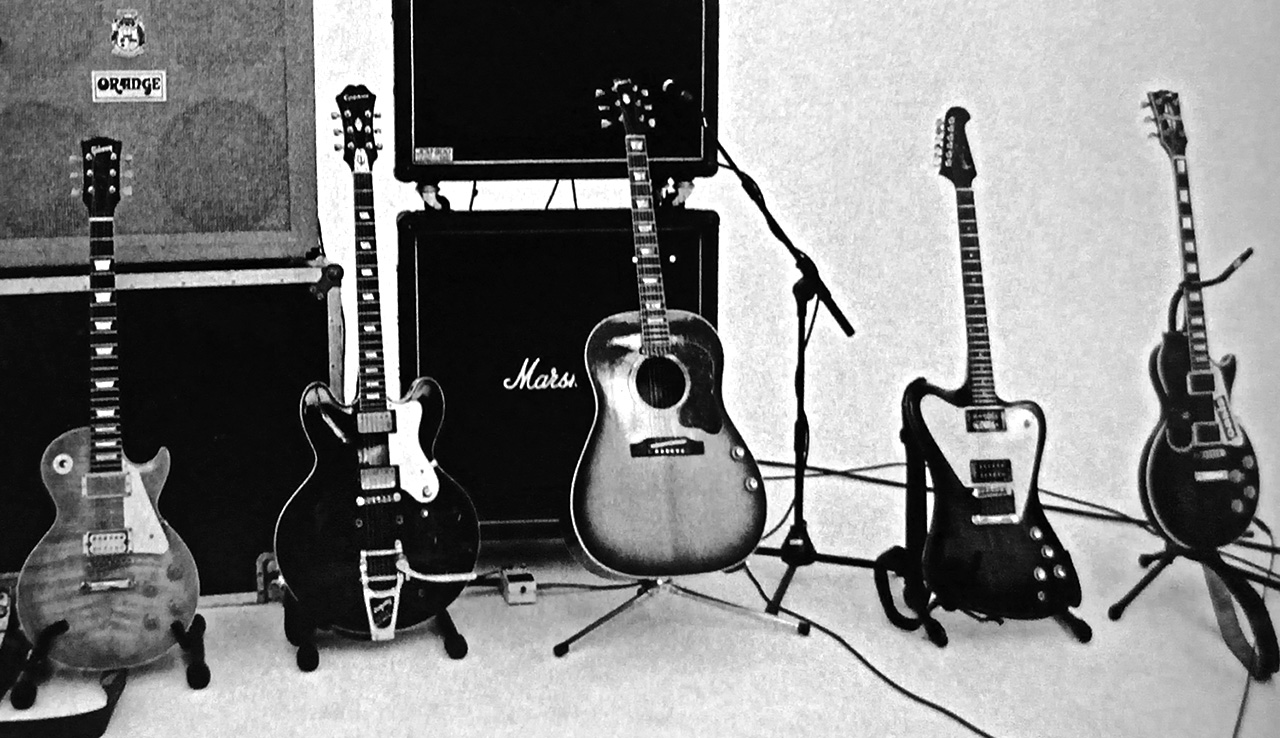
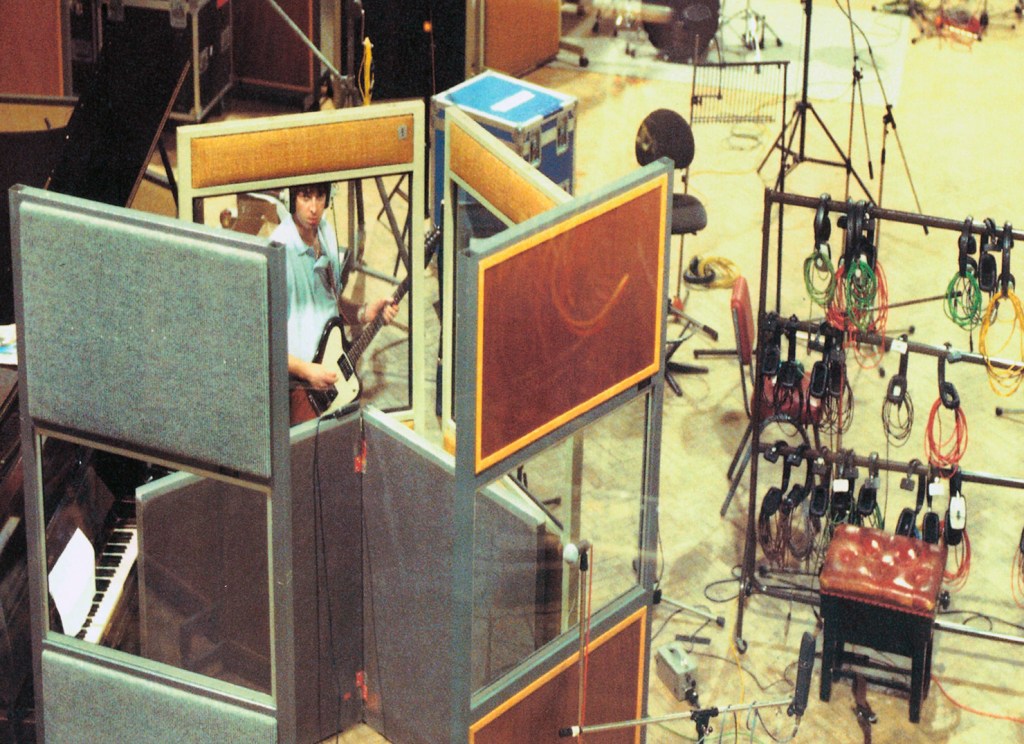
Between November 1996 and April 1997 the Firebird was used during the recording sessions for the Be Here Now album: it can be seen in a photo taken by Jill Furmanovsky inside Abbey Road Studios:
In spite of its rich history, the Firebird was sold in August 1999 to a London guitar shop, together with other instruments - including the D'You Know What I Mean? Gibson Flying V.

It was bought by guitar collector Dave Brewis, who sold it in March 2002 to the current owner.10 It is available to hire at God's Own Guitars.

In these recent pictures - taken by the current owner - you can spot all the mods and also three plugged holes behind the stopbar - that's where the original '60s vibrato tailpiece was attached.
DISCLAIMER
This is a fansite. It is not affiliated with Noel Gallagher, his management or his record label.
For informational and non-commercial use only. Please do NOT publish this content elsewhere.
If you share or use this information, please provide proper credit and link to the website.
I appreciate your respect for the years of dedicated, freely available research!
Visit the “Info & About” page for contact details and more.
Thanks!
- Marr’s Guitars – Johnny Marr, 2023 ↩︎
- https://reverb.com/it/p/gibson-firebird-i-non-reverse-sunburst-1965 ↩︎
- https://www.godsownguitars.com/1967-gibson-firebird-non-reverse ↩︎
- https://www.youtube.com/watch?v=RXH5diNy3Po ↩︎
- Guitar World interview, May 1996 ↩︎
- Check out the history of Loco Studios and pictures of the recording room at this link. ↩︎
- http://www.oasis-recordinginfo.co.uk/?page_id=702 ↩︎
- Supersonic: The Oasis Photographs – Micheal Spencer Jones, 2016 ↩︎
- Marr’s Guitars – Johnny Marr, 2023 ↩︎
- https://www.godsownguitars.com/1967-gibson-firebird-non-reverse ↩︎
 The Chief's Guitars - Noel Gallagher's guitars: a complete guide - Oasis and NGHFB